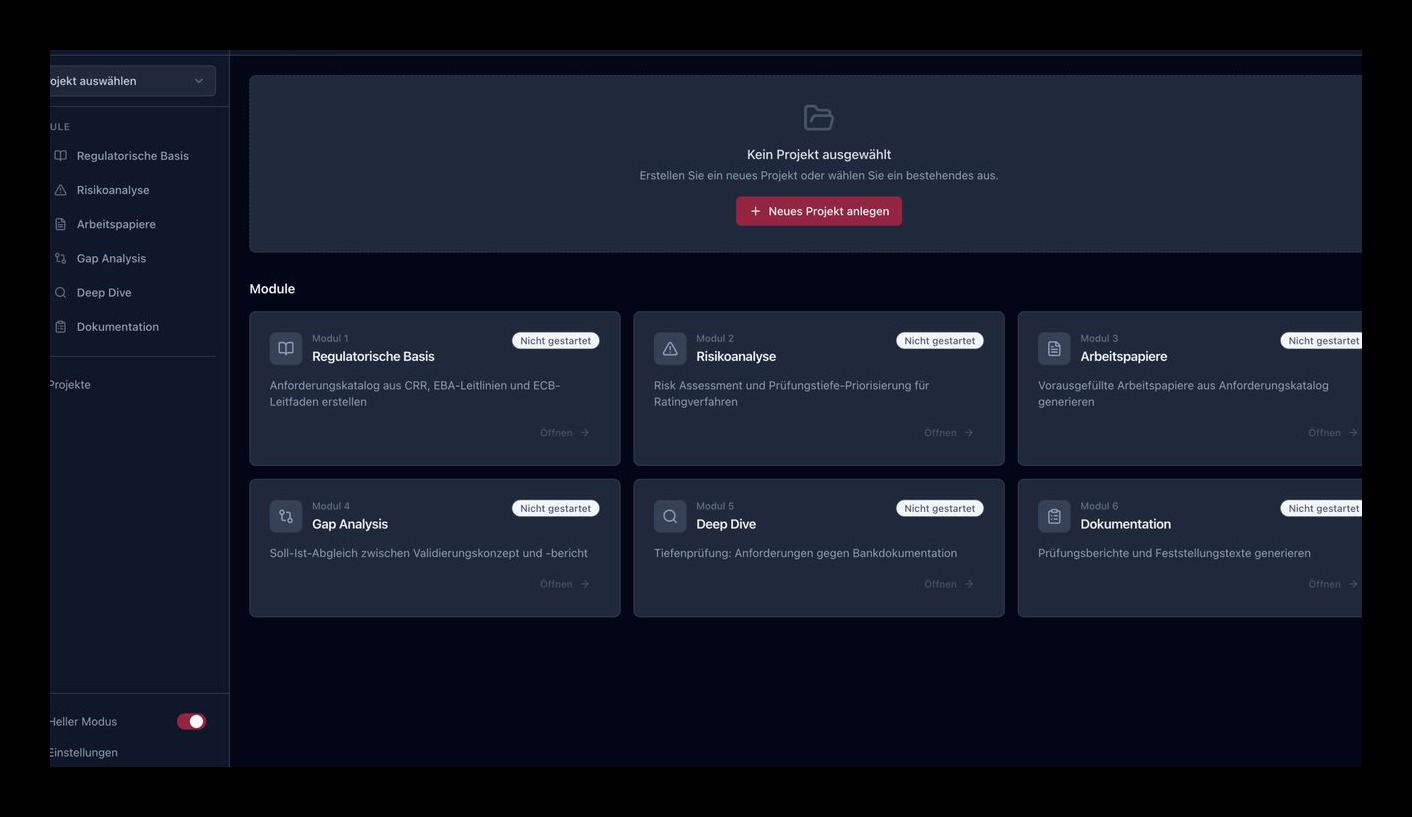
auditissimo: AI-Assisted Internal Audit of IRBA Rating Procedures
auditissimo is a modular AI prototype that accompanies the entire audit process of IRBA rating systems step by step – from the regulatory basis to finding synthesis.
Learn more → auditissimo is a modular AI prototype that accompanies the entire audit process of IRBA rating systems step by step – from the regulatory basis to finding synthesis.
Learn more →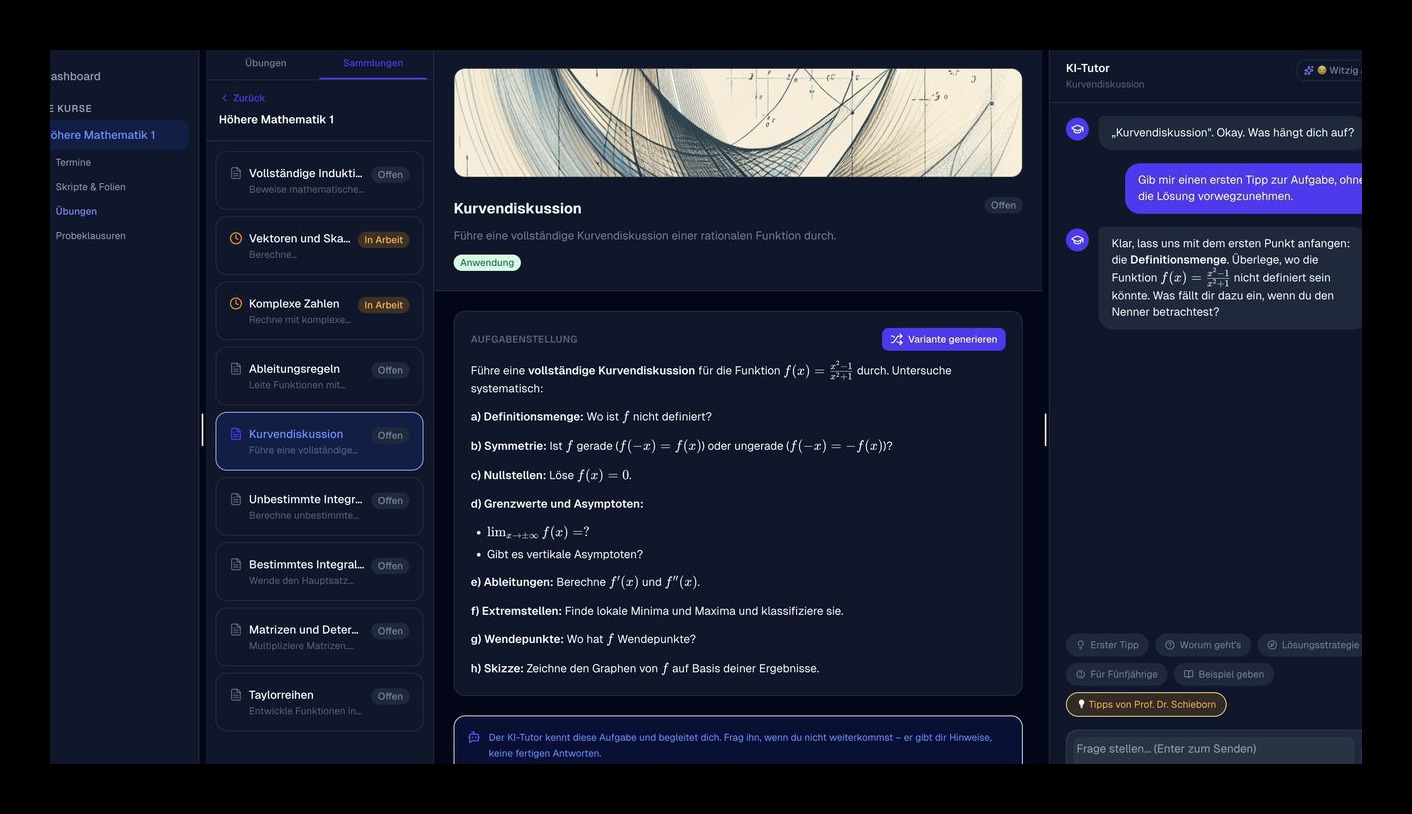
heyprof is a web-based teaching platform with deep LLM integration – Socratic AI tutor, assignment management, automatic grading and exam administration.
Learn more →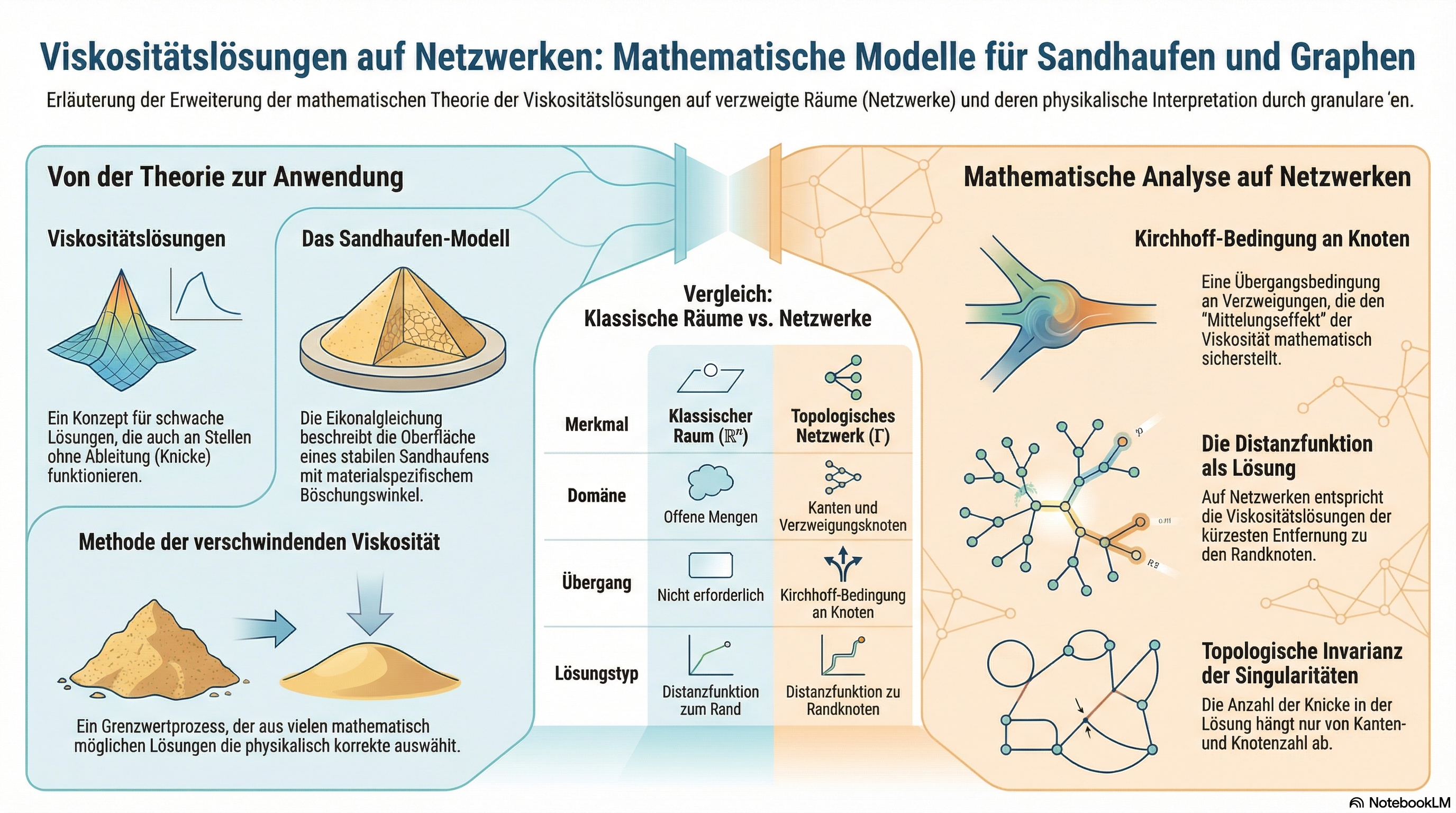
Develops a consistent viscosity solution theory for Hamilton–Jacobi equations on ramified spaces (networks, LEP-spaces) – with correct transition conditions, comparison principle, and consistency with vanishing viscosity. Doctoral thesis, 2006.
Learn more →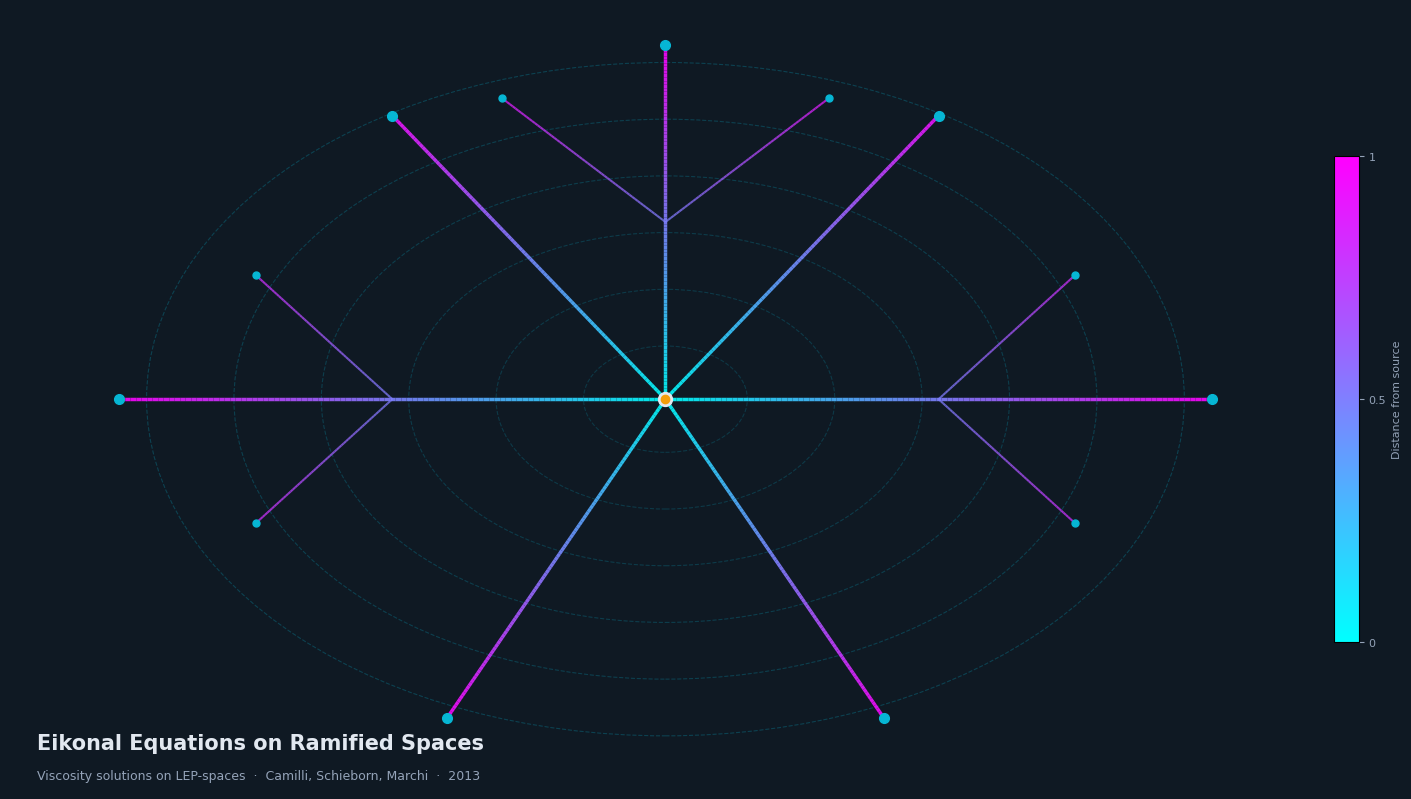
Generalization of the viscosity solution theory for Hamilton–Jacobi equations to higher-dimensional ramified spaces (LEP-Spaces). With Fabio Camilli and Claudio Marchi, 2013.
Learn more →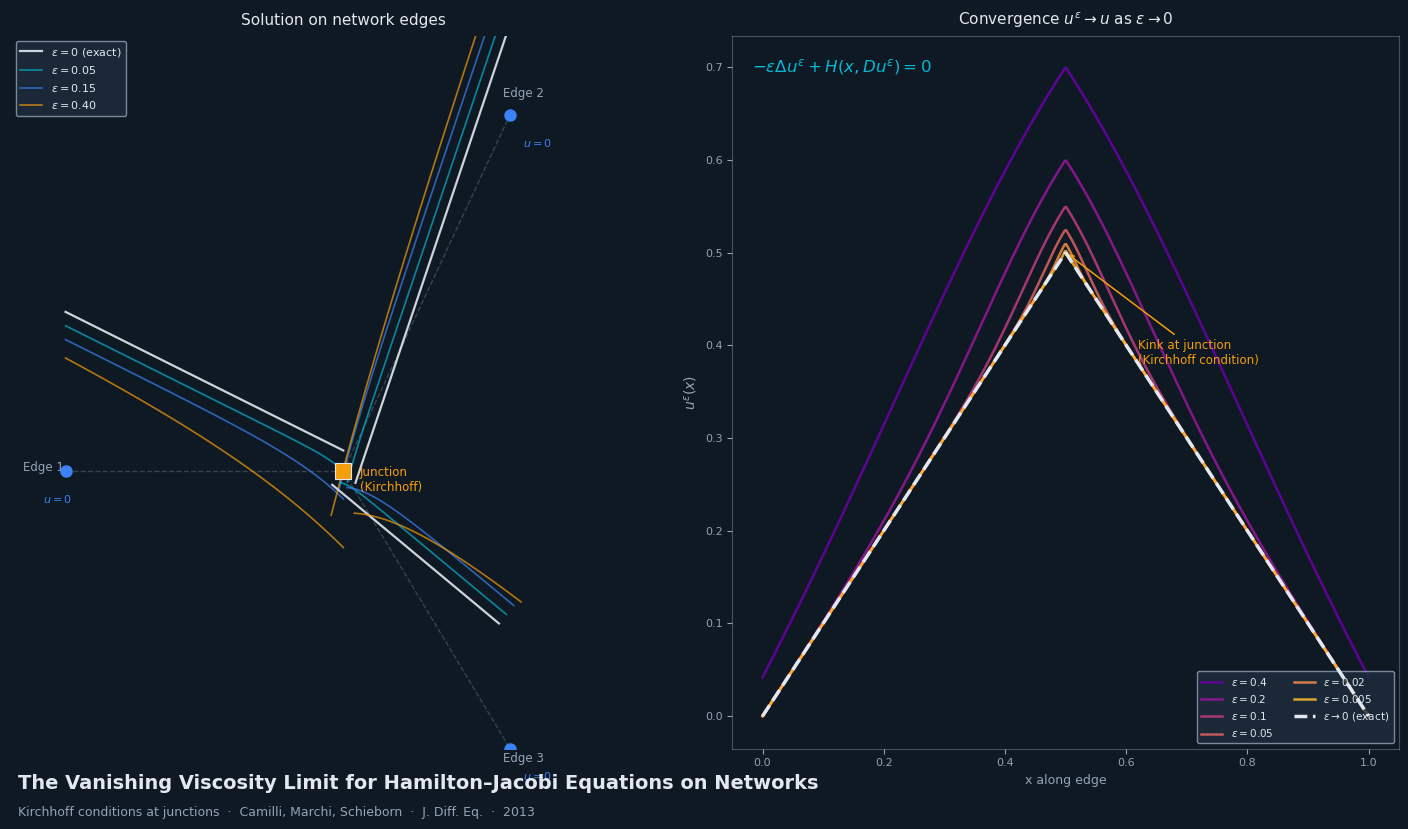
Viscosity approximation for Hamilton–Jacobi equations on networks with Kirchhoff conditions at junction points — convergence to the unique solution of the original problem. With Fabio Camilli and Claudio Marchi, 2013.
Learn more →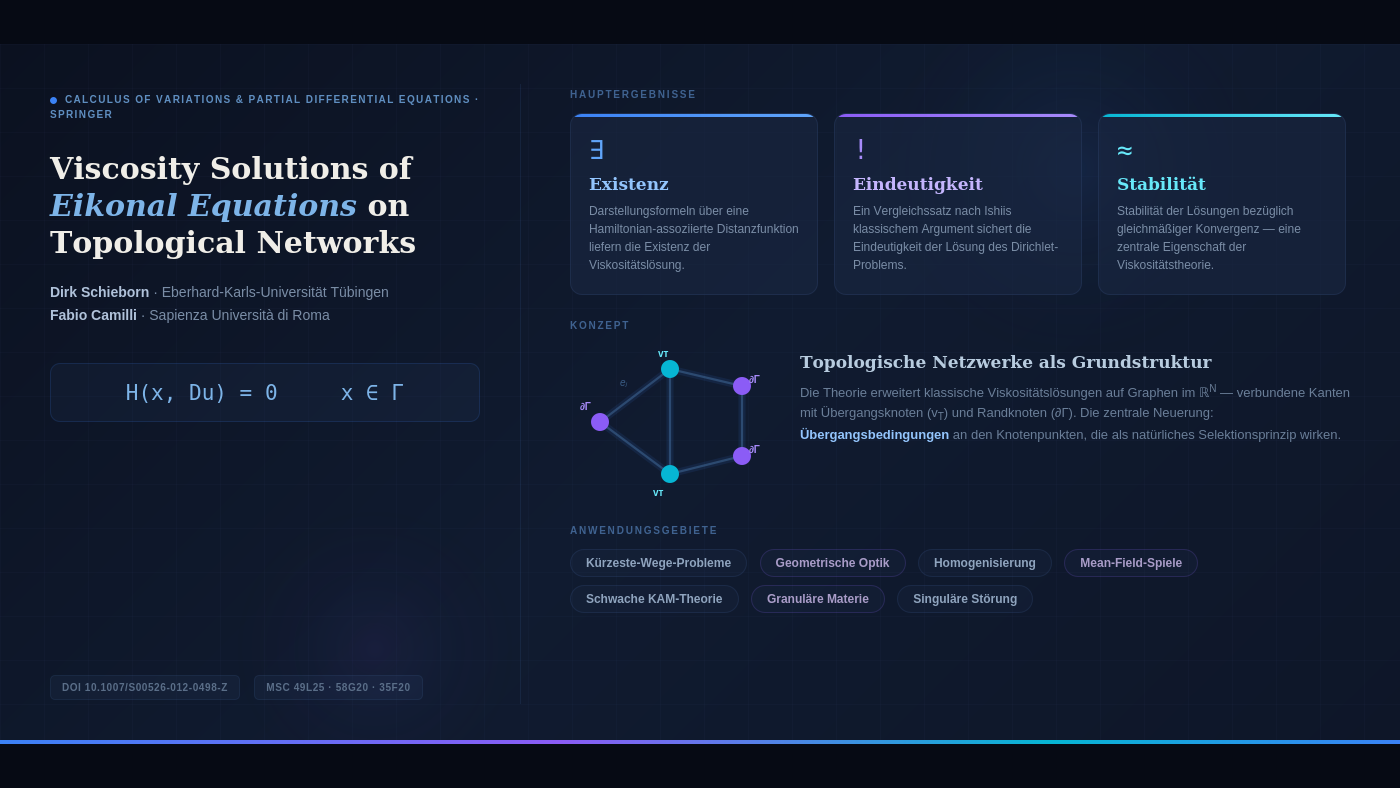
Viscosity solutions for eikonal equations on topological networks — existence via representation formulas and uniqueness via comparison principle. With Fabio Camilli, 2012.
Learn more →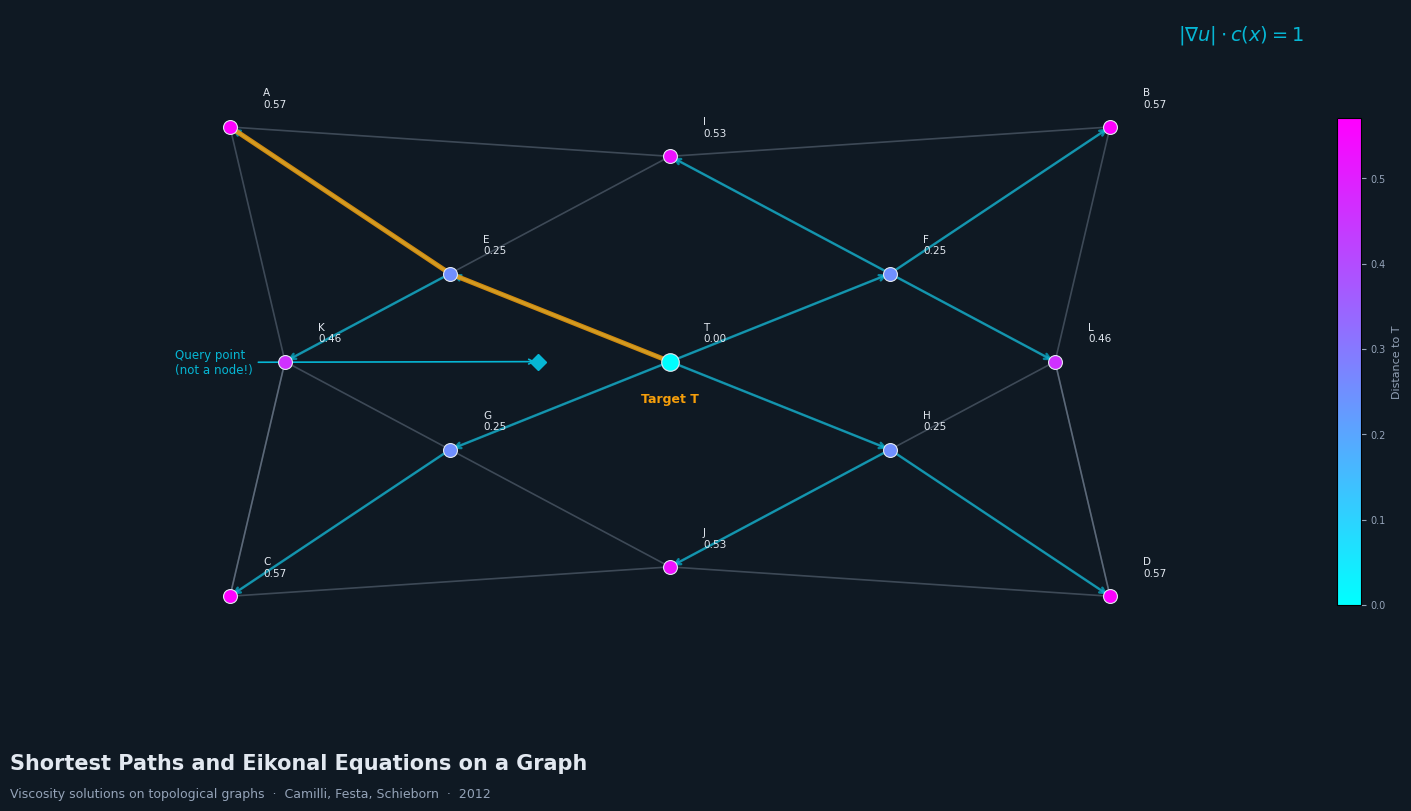
Shortest paths from arbitrary points of a graph to a target node — an approach via eikonal equations and viscosity solutions on topological graphs. With Fabio Camilli and Adriano Festa, 2012.
Learn more →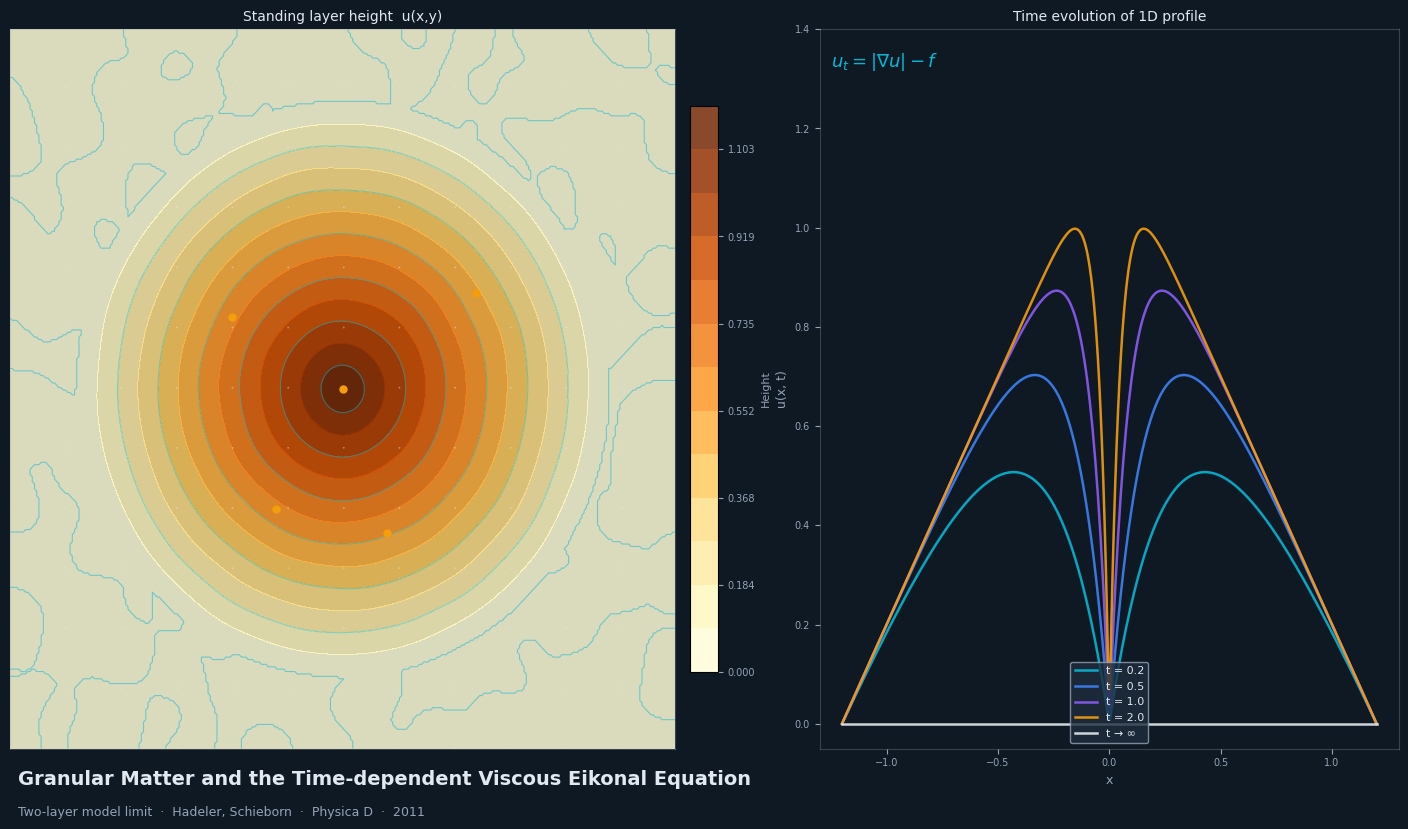
Derivation of a time-dependent viscous eikonal equation as a limiting case of the two-layer model for granular matter. With Karl-Peter Hadeler, 2011.
Learn more →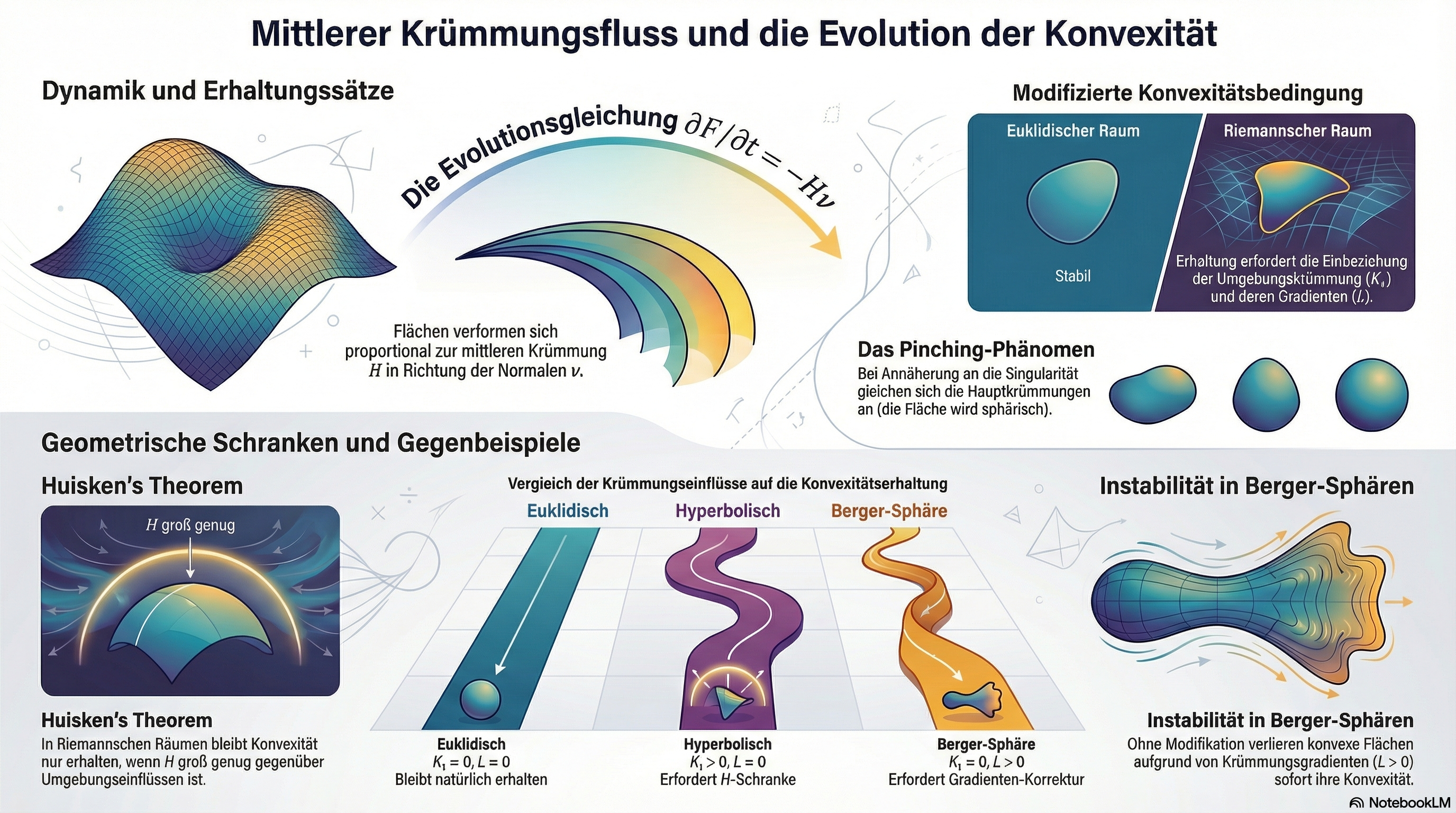
Investigation of the invariance of convexity conditions under Mean Curvature Flow in general Riemannian manifolds. Diplomarbeit (Master's thesis), 2001.
Learn more →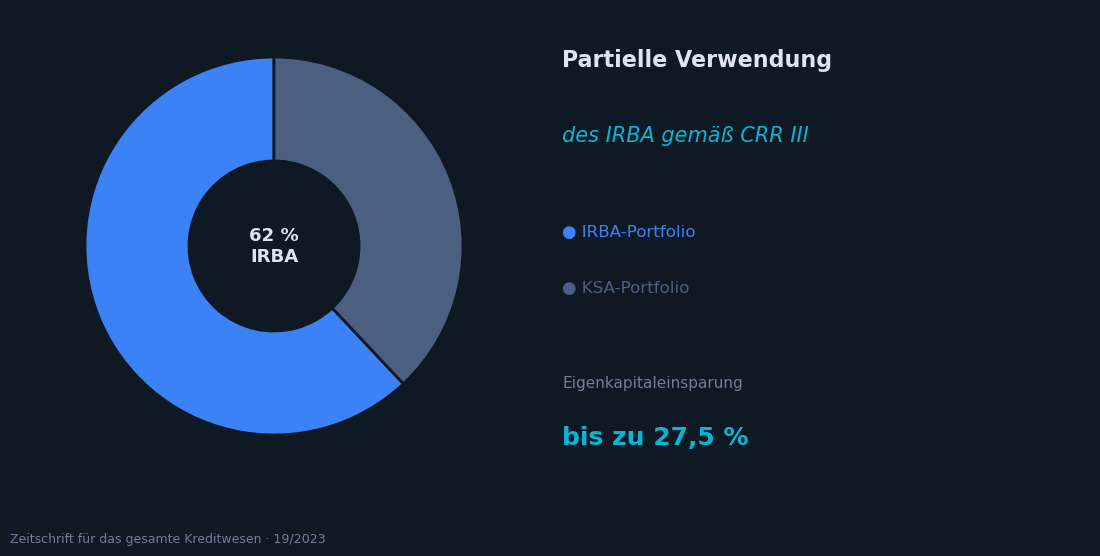
CRR III allows banks for the first time to apply the IRBA selectively to individual credit classes – with potential capital savings of up to 27.5%.
Learn more →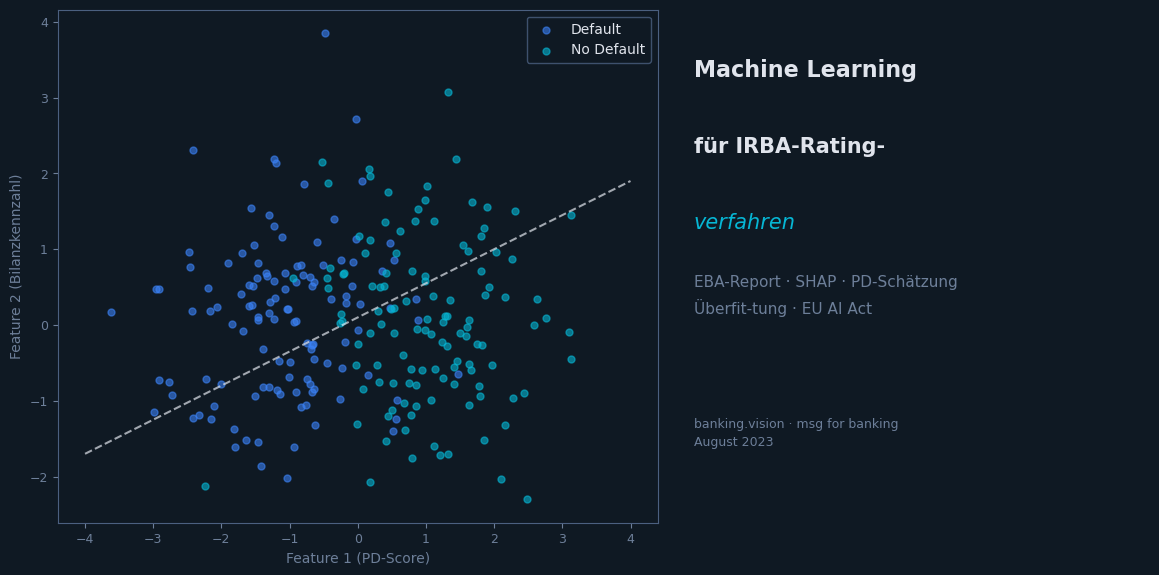
Analysis of the EBA follow-up report on the application of machine learning in IRBA credit risk modelling – opportunities, challenges, and regulatory requirements.
Learn more →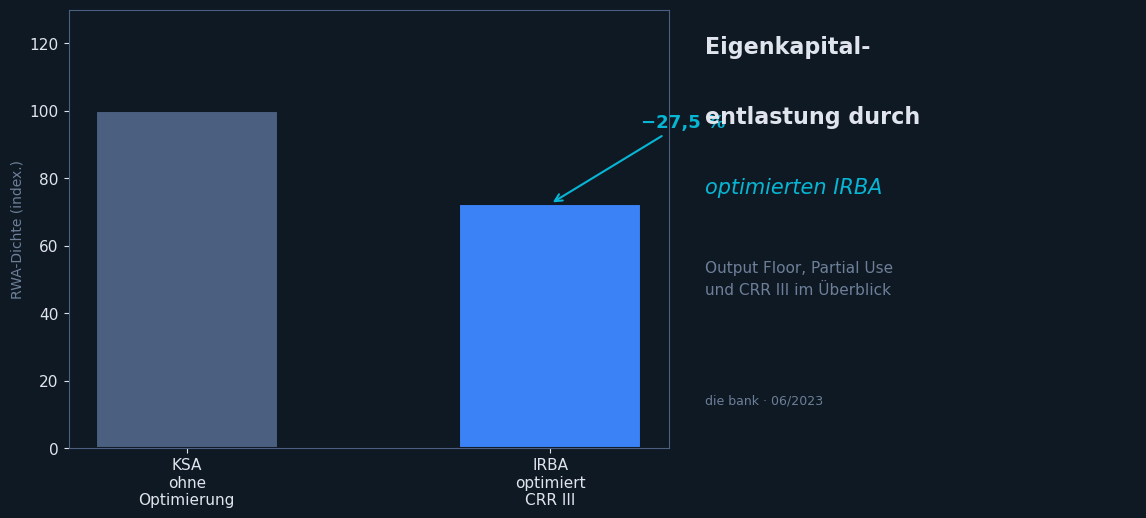
Strategies for capital optimization through targeted IRBA usage under CRR III – Output Floor, Partial Use, and their implications for capital planning.
Learn more →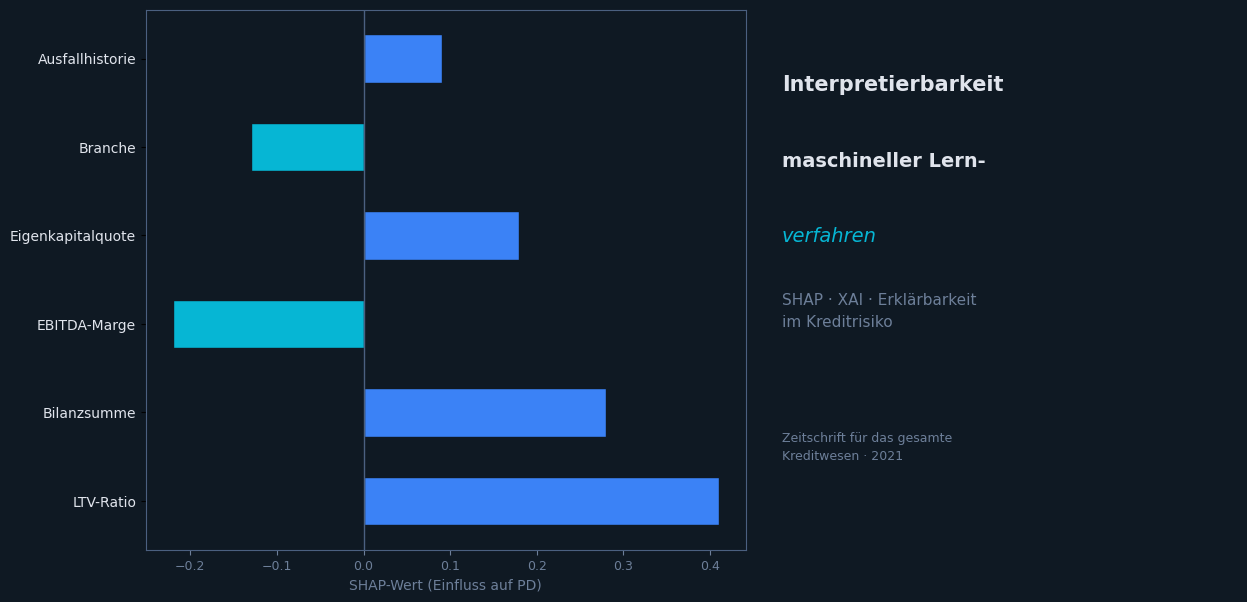
Methods for explainability of ML models in the regulatory context of credit risk measurement – from SHAP to XAI frameworks.
Learn more →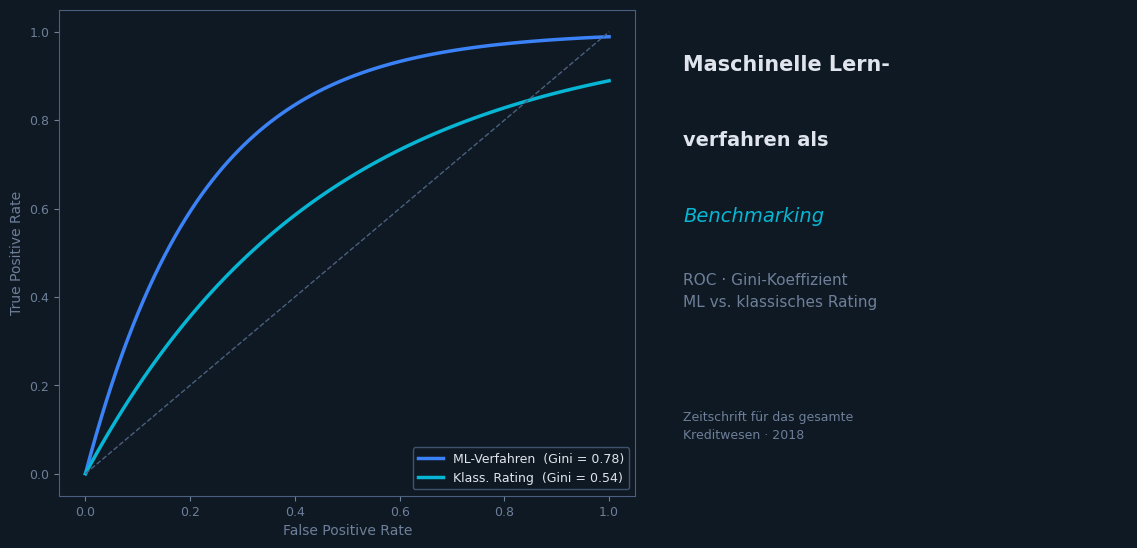
Comparison of ML-based and classical statistical rating approaches using ROC curves and Gini coefficients in the credit risk context.
Learn more →